


Innovation in the cold chain industry is necessary to address weaknesses, reduce inventory, and lower costs. The structural contradictions faced by cold chain logistics include the structural contradictions in the regional layout of the cold chain industry; Structural contradictions in cold chain transportation capacity; Structural contradictions in cold chain warehousing capacity; Structural contradiction between supply and demand of cold chain logistics talents; Structural contradictions in the supply of cold chain service products.
Against the backdrop of the country's vigorous development of the commercial and trade circulation industry and the promotion of supply side structural reform, China's cold chain logistics industry is facing a new survival environment. Timely promotion of supply side structural reform in the cold chain logistics industry is an important measure to promote the optimization of resource allocation, reduce cold chain logistics costs, eliminate information asymmetry, and improve market transparency.
Supply side structural reform is to start from improving the quality of supply products or services, using reform methods to promote structural adjustment, correct distorted factor allocation, expand effective supply, improve the adaptability and flexibility of supply structure to demand changes, increase total factor productivity, and improve productivity through industrial adjustment to adapt to market demand structural changes, better meet the effective needs of the consumer market, and promote sustainable and healthy economic and social development.
The cold chain logistics industry needs to undergo supply side structural reform to effectively meet the new demands generated by consumption upgrading, promote the optimization of resource allocation and industrial restructuring throughout the cold chain industry, achieve cost reduction and efficiency improvement, improve the service level of the entire industry, and thus achieve the goal of reducing enterprise circulation costs and maintaining enterprise competitiveness.
Currently, in the context of the new normal of economic development in China, with the introduction of supply side structural reform policies, the development of the logistics industry has received increasing attention. However, for the special logistics field of cold chain logistics, exploring the supply-demand structural contradictions in its development process and seeking innovative development in the new situation, we believe that it is urgent to achieve the reform goals of "shifting gears and upgrading" and "overtaking on bends" in the cold chain logistics industry from the perspective of demand side. We must seek the driving force for its sustainable development from the innovation of cold chain logistics formats.
1、 The necessity of innovation in the cold chain industry format
The exploration and integration of innovative elements into any business format is a process in which enterprises or industries continuously discover market demands and seek their own development paths, constantly changing and improving. The entire process of business innovation is not a simple update of the internal structure of the enterprise, but rather a fundamental change in the combination of business elements. Its commonality is to seek differentiation in brand, management, technology, and service to gain market competitive advantages and commercial profits, and the cold chain logistics industry is no exception.
1. Make up for shortcomings
With the continuous promotion of agricultural modernization in China, consumers' demand for bulk agricultural product logistics and fresh agricultural product cold chain logistics is constantly increasing. Therefore, it is urgent to establish a more complete, convenient, efficient, and safe cold chain logistics distribution system to meet different needs in various aspects. However, the development of China's cold chain logistics industry started relatively late and the overall level is low. The uneven development of the cold chain industry between regions restricts the overall development level of the cold chain industry. The proposal of supply side structural reform provides strong policy support for the innovative development of cold chain logistics.
Therefore, in the supply structure of cold chain logistics, it is necessary to strengthen the shortcomings of pre cooling, picking, processing, packaging, refrigeration, distribution, and traceability of fresh agricultural products that have been relatively neglected in the past. Encourage enterprises to make up for and improve the shortcomings of the production area distribution system covering the main production areas, improve the agricultural product traceability system, strengthen the construction of low-temperature processing and distribution centers with storage, sorting, processing, packaging, distribution, and traceability functions, create standardized demonstration bases for cold chain circulation, effectively enhance the comprehensive functions of cold chain logistics, and achieve its overall level improvement.
2. Go to inventory
Inventory cost is the main component of cold chain logistics cost, and the level of inventory control determines the profitability of the cold chain industry. The implementation of "destocking" in the cold chain logistics industry mainly relies on the improvement of cold storage turnover and the reduction of product storage time.
Through the supply side structural reform, actively introduce the "Internet plus" intelligent and information technology means, and strive to build a cold chain logistics information sharing platform. Through information sharing, different cold chain enterprises can achieve the accurate docking of "supply" and "demand", and provide an effective basis for procurement and inventory management within the enterprise, optimize the cold chain storage space, accelerate the turnover rate and speed of cold chain storage, reduce product inventory and storage time, reduce the risk of food deterioration and improve product safety coefficient, while reducing storage costs and total operating costs.
3. Reduce costs
Compared to ordinary logistics, the cost of cold chain logistics is nearly 60% higher. The profit margin of cold chain enterprises in China is usually 10%, while the profit margin of cold chain enterprises is only about 8%. In developed countries, the profit margin of cold chain logistics can reach more than 20%. The high cost of cold chain logistics has become an important factor restricting the development of cold chain enterprises.
In addition, due to the high requirements for temperature control in cold chain logistics, chain breakage and product spoilage are common occurrences. The product loss rate in China's cold chain process is as high as 25%, and severe product loss greatly reduces the profit margin of cold chain enterprises.
By implementing supply side structural reform, optimizing the rational allocation of cold chain logistics resources, and scientifically dynamically configuring cold chain elements, real-time supervision and control of the entire process of cold chain logistics implementation can be achieved to reduce comprehensive transportation costs and expand enterprise profitability.
2、 Structural contradictions faced by cold chain logistics
Under the new economic development background, China's cold chain logistics industry has ushered in huge development opportunities, but also exposed huge development bottlenecks. The imbalance, mismatch, and lack of coordination between supply and demand in the cold chain logistics industry are the main problems facing the current supply side structural reform, and various structural contradictions urgently need to be resolved.
1. Structural contradictions in the regional layout of the cold chain industry
Due to the significant differences in economic development levels between regions in our country, there are also significant disparities in the development level of cold chain between regions, mainly reflected in the uneven distribution of infrastructure construction areas, the lack of refrigeration facilities in key logistics nodes such as large-scale agricultural product wholesale markets and regional agricultural product distribution centers, and the shortage of cold chain distribution equipment across provinces. Taking the inventory of cold storage as an example, more than 50% of cold storage is concentrated in East and Central China, while the northwest region, which is the main origin of fresh products such as fruits and melons in China, only accounts for 4.5% of the national inventory of cold storage.
2. Structural contradictions in cold chain transportation capacity
According to data from a survey conducted by China Cold Chain Logistics Network, nearly 80% of vegetables and fruits, over 65% of meat, and over 60% of aquatic products in China still use room temperature transportation. 50% of products in fresh e-commerce require the use of cold chain logistics, but in actual operation, refrigerated vehicle transportation accounts for only 10%, and the transportation requirements in low-temperature environments are far from being met. Taking the configuration of refrigerated trucks as an example, in China, an average of 30000 people have one refrigerated truck, while in the United States, an average of 500 people have one refrigerated truck.
The special demand for cold chain transportation cannot be met, resulting in a high loss rate of 25% for agricultural products in China, while the loss rate in developed countries has been controlled at around 5%. Due to the high loss of products caused by cold chain breakage during transportation, the entire logistics cost accounts for 70% of the total cost.
3. Structural contradiction in cold chain warehousing capacity
The main types of cold storage in China are frozen goods cold storage, cooled goods cold storage, and ultra-low temperature cold storage. The first two have a higher proportion, but ultra-low temperature cold storage accounts for only 0.2%. From the perspective of the commodity categories stored in cold storage, agricultural products mainly consisting of fruits, vegetables, meat, poultry, and aquatic products account for a relatively high proportion, with a total proportion of nearly 60%. According to statistics from the International Cold Storage Association, China has a cold storage capacity of 83 million cubic meters, second only to the United States and India. However, the per capita cold storage capacity in China is only 0.116 cubic meters, which is about 1/4 of that in the United States. Moreover, many cold storage facilities in China are currently limited to the freezing and storage of meat and fish, with relatively single functions.
4. Structural contradiction between supply and demand of cold chain logistics talents
With the continuous deepening of people's understanding of logistics, China has basically formed a relatively complete system in the cultivation of logistics talents, and logistics education has covered a diversified training system including vocational schools, higher vocational schools, undergraduate, master's and doctoral students.
However, current talent cultivation focuses on logistics management majors, and cold chain logistics majors are still blank. Faced with the explosive growth of cold chain logistics in China in recent years, there is an extreme shortage of cold chain professionals. In addition, cold chain logistics involves a wide range of technical, professional, and disciplinary fields, such as refrigeration engineering, storage and preservation engineering, food processing engineering, packaging engineering, transportation engineering, and other professional fields. Cold chain talent cultivation cannot meet the needs of the development of cold chain logistics.
5. Structural contradictions in the supply of cold chain service products
With the improvement of people's living standards, the quality requirements for various agricultural products such as fruits, vegetables, and fresh produce are becoming increasingly high, and the requirements for cold chain logistics services are also becoming stricter. However, due to the low level of development of cold chain logistics, the standardized service system of cold chain logistics has not been fully established. Cold chain enterprises excessively pursue low costs and lack innovative investment. The pre cooling technology for fresh products has not been fully implemented, and commercial processing methods such as grading and packaging processing in low-temperature environments have not been popularized. The temperature control methods in the transportation process are primitive and extensive, and automatic temperature control throughout the process has not been widely applied. The service level is low, resulting in people's higher-level requirements for food quality not being met.
3、 Innovative ideas for cold chain logistics industry
The supply side structural reform and innovation of the cold chain logistics industry must adhere to promoting the vertical and deep level development of the entire industry's business model innovation, making the business model of the cold chain industry more diversified, operational efficiency more prominent, personalized demand satisfaction more timely, and stronger differentiation among all supply chain enterprises and industries, thereby bringing new competitive advantages. The cold chain logistics industry will also gain more sustainable development momentum from the process of business model innovation and reform.
1. Community based collaborative delivery improves the operational efficiency of cold chain logistics
Due to the special nature of its distribution products, the phenomenon of "chain breakage" often occurs in cold chain logistics, especially in the "last mile" of distribution. Overcoming the bottleneck problem at the end of the supply chain is the key to the supply side structural reform of the cold chain industry. Introducing community collaborative delivery to reduce delivery costs, improve delivery efficiency and service quality, and solve the "last mile" logistics delivery problem in communities.
Unlike the traditional door-to-door delivery method, the delivery range of delivery personnel is divided into regions based on the distribution of communities, and a middle link of regional shared delivery stations is added. The main focus is on areas with concentrated communities to establish community shared delivery service stations for cold chain logistics enterprises, and to establish and improve corresponding refrigeration facilities for unified and coordinated delivery of goods.
2. Equipment and technology upgrades for cold chain logistics in fresh e-commerce
With the rapid development of fresh e-commerce and the continuous upgrading of refrigerated food consumption, there is a huge demand for cold chain logistics, and the incremental space for cold chain logistics in China will be further deepened. However, due to the perishable and perishable nature of fresh products, they experience high losses during the cold chain process, resulting in the cost of fresh cold chain logistics being 1-2 times higher than that of ordinary goods. As a result, there are only a few fresh e-commerce companies that truly make profits in their actual operations.
To solve the current bottleneck faced by fresh food e-commerce, it is necessary to find a way out from the cold chain process, further improve the cold chain transportation service standards, continuously improve the equipment and technical level of cold chain logistics, ensure the quality and safety of cold chain logistics from the source, carry out the standardization of fresh food transportation and distribution vehicles, promote vehicle updates and renovations, strive for full monitoring of the cold chain, and strive to achieve continuous supply chain throughout the entire process.
3. Cross border integration of central kitchen and cold chain logistics
The central kitchen, also known as the central distribution center, refers to the unified procurement, selection, cutting, and seasoning of each branch, and then the prepared ingredients and packages are made into semi-finished products and delivered by refrigerated trucks. After arriving at the branch, only simple processing is needed. Cold chain logistics plays an important role in the construction and operation of central kitchens.
Therefore, it is necessary to establish a central kitchen cold chain logistics center, create an economic platform for the cold chain logistics industry, ultimately achieve cross-border cooperation between catering enterprises and cold chain logistics enterprises, create new business models, and bring new development opportunities to the industry. At the same time, this model has the ability to accept market shocks and integrate, which traditional cold chain logistics enterprises do not possess.
4. Cold chain financial services break through traditional cold chain business models
The era of diversified cold chain logistics driven by supply side structural reform and innovation is approaching. The cold chain logistics market is shifting from a basic logistics service model to a logistics value-added service model, gradually improving the business chain, expanding the service value-added channels of cold chain logistics enterprises, providing customers with various value-added services, and establishing long-term stable partnerships, which has become a major trend in the cold chain logistics industry.
By providing various mortgage guarantee methods through intermediaries such as investment and financing service providers, commercial banks, other cold chain financial service coordinators, and third-party cold chain logistics service providers, we can provide fast and agile investment and financing services to small and medium-sized cold chain logistics enterprises as cold chain finance demanders, improve their internal capital turnover rate, not only solve the problem of customer funding shortage in the supply chain, but also increase the logistics and trade income of cold chain enterprises and commercial banks, truly transforming the traditional single operation mode of third-party cold chain logistics and realizing its role change from a traditional cold chain logistics warehouse and distribution service provider to an integrated cold chain industry service provider of industry finance information integration.
The brief operation process of the financial model based on third-party cold chain logistics enterprises is shown in Figure 1.
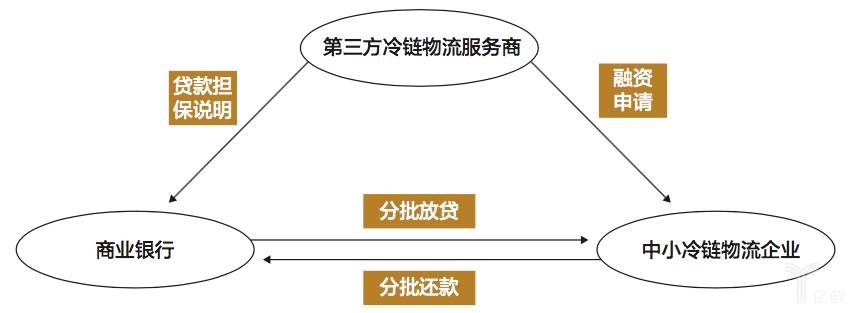
Figure 1: Financial Model Based on Third Party Cold Chain Logistics Enterprises
5. Cross border Alliance for Industrial Extension of Agricultural Cold Chain and Food Hot Chain
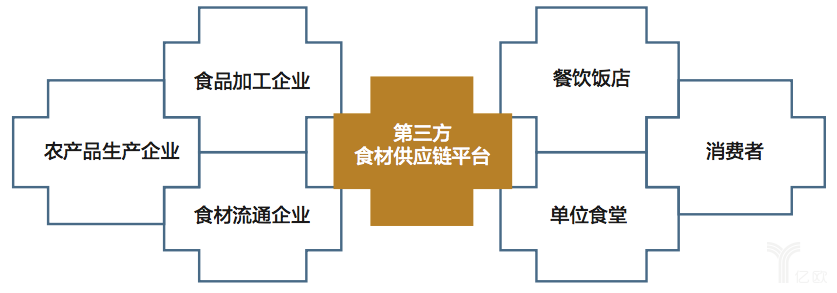
Figure 2: Cross border Integration Platform of Agricultural Cold Chain and Food Hot Chain
In the context of the sharing economy, the organizational approach of enterprise alliances is mainly to integrate assets or resources of different ownership through a contractual relationship, in order to improve logistics efficiency and service competitiveness. The cross-border alliance between the agricultural cold chain (cold chain industry) and the food hot chain (catering industry) has established a cooperation platform to extend the industrial value chain (as shown in Figure 2). On the one hand, it meets the needs of supply side structural reform in industry development and strengthens the diversification of cold chain supply levels.
On the other hand, from the perspective of the supervision of livelihood projects related to food safety and quality, there is an objective need for seamless integration between the cold chain of agricultural products and the hot chain of food, in order to reduce the overall operational costs of the integration of the cold chain and the hot chain, and ultimately achieve the collaborative and integrated goal of benefit sharing and risk sharing.
6. Fourth party cold chain integrator organization based on platform economy
It is a fourth party cold chain logistics platform that integrates innovative supply chain management and resource integration services. It belongs to a multi-level interconnected logistics information system and builds a regional or national fast, transparent, and collaborative intensive cold chain logistics network in the industry. It provides customers with a cold chain logistics procurement and management platform based on online and offline integrated supply chain solutions.
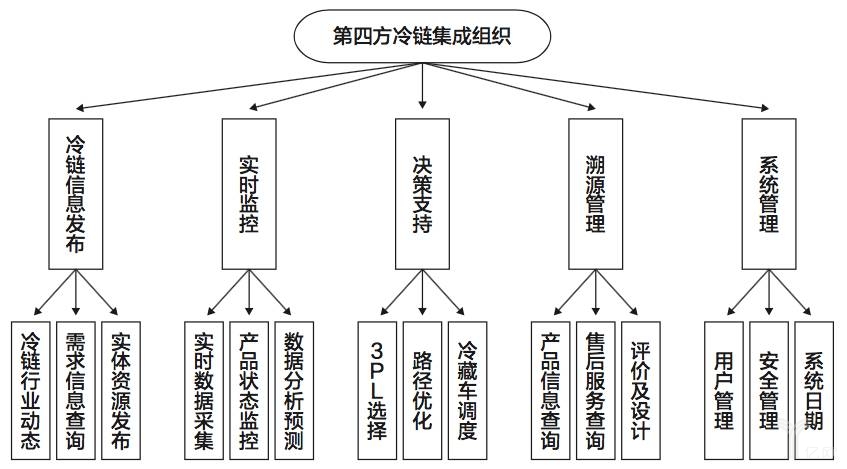
Figure 3: Organizational functional structure diagram of the fourth party cold chain integrator
The organizational functional structure of the fourth party cold chain integrator based on platform economy is shown in Figure 3, which is mainly divided into five sections: cold chain information release, real-time product monitoring, decision support, traceability management, and system management.
7. Establishing a cold chain logistics port with a comprehensive transportation cooperation system
With the continuous improvement of China's comprehensive transportation system, it will inevitably trigger significant changes in the cold chain logistics industry, and in the near future, a new cold chain logistics format may emerge - cold chain logistics ports. It will integrate China's port (water transport), highway, high-speed rail, aviation, urban subway (light rail) and other transportation modes and resources, rely on "big data", Internet technology, IT technology, integrate cold chain logistics finance, insurance and other value-added services, and build a cold chain resource trading platform of "Internet plus+cold chain logistics".
In economically developed regions, a new comprehensive cold chain industry integrating cold chain logistics, commerce, exhibition, food research and development, processing and production, packaging, preservation, finance, insurance, and comprehensive services will be formed to meet consumers' different needs for cold chain logistics with stronger connections, faster responses, more value-added, more flexibility, and safer effects, while promoting the transformation and upgrading of the traditional cold chain logistics industry.
4. Conclusion
Cold chain is related to food safety and national economy and people's livelihood. With the development of China's economy and changes in people's consumption concepts, cold chain logistics will receive more widespread attention both inside and outside the industry. Accelerating the supply side structural reform of the cold chain logistics industry is an important and urgent issue in China's modern food circulation process, and it is also a key link in promoting the construction of cold chain logistics network nodes in China.
Through innovative business models under the supply side structural reform, multiple measures are taken to cultivate new driving forces for the development of the cold chain logistics industry, enhance the competitiveness of China's cold chain logistics industry, and better meet the multi-level demands arising from the upgrading of the consumer sector.

邮箱:service-comm@carsonlink.com
地址:No. 2988, Lot 129, Liu Fu Shan Road, Yuen Long, New Territories, Hong Kong
